Read This Before You Buy Your Next Insulated Garage Door in Apple Valley
Apple Valley Garage Door Repair has assembled a straightforward guide to garage door insulation and R-value so homeowners can stop overthinking and start deciding with confidence. R-value gets thrown around a lot when people shop for insulated garage doors, but it is only one piece of the puzzle. This article explains what R-value means, when it matters, the law of diminishing returns, the real-world variables that determine energy savings, and practical steps a homeowner can take-whether they live near Medicine Lake, MN or in a desert climate—before committing to a garage door replacement or retrofit.
What R-value Actually Means for a Garage Door in Apple Valley, MN
R-value is the industry shorthand for thermal resistance. It tells you how well a material resists heat flow. The higher the R-value number, the more resistant that material is to heat transfer. That sounds simple enough, but when it comes to a moving system like a garage door that is made of metal panels, hardware, seals, and sometimes windows, R-value is just one metric among many.
For a garage door the R-value typically refers to the insulating core inside the door panels. A door with an R-value of 6 has more insulating material than a non-insulated door, and an R-value of 12 has more than an R-value of 6. But R-value does not account for air leakage around the edges, thermal bridging through metal stiles, or how often the door is opened and closed. Those are operational realities that affect real energy performance.
Why Garage Door Insulation Matters for Apple Valley, MN Residents
A garage door covers the largest opening to many homes in Apple Valley, MN. That makes it one of the most vulnerable points for heat gain and heat loss. Uninsulated steel doors are excellent conductors of heat, which means that on a hot day the outside heat will pass through the metal panels into the interior, and on a cold night the interior heat will leak out just as easily.
Installing an insulated garage door reduces that heat transfer and helps stabilize the temperature of the garage, which in turn helps any adjacent living spaces. If a garage is attached to the house or has living space above it, insulating the door becomes more important. Insulation brings comfort benefits and can reduce the strain on your home heating and cooling systems—provided the entire garage envelope is addressed.

Baseline Recommendations: Matching R-value to Use Case
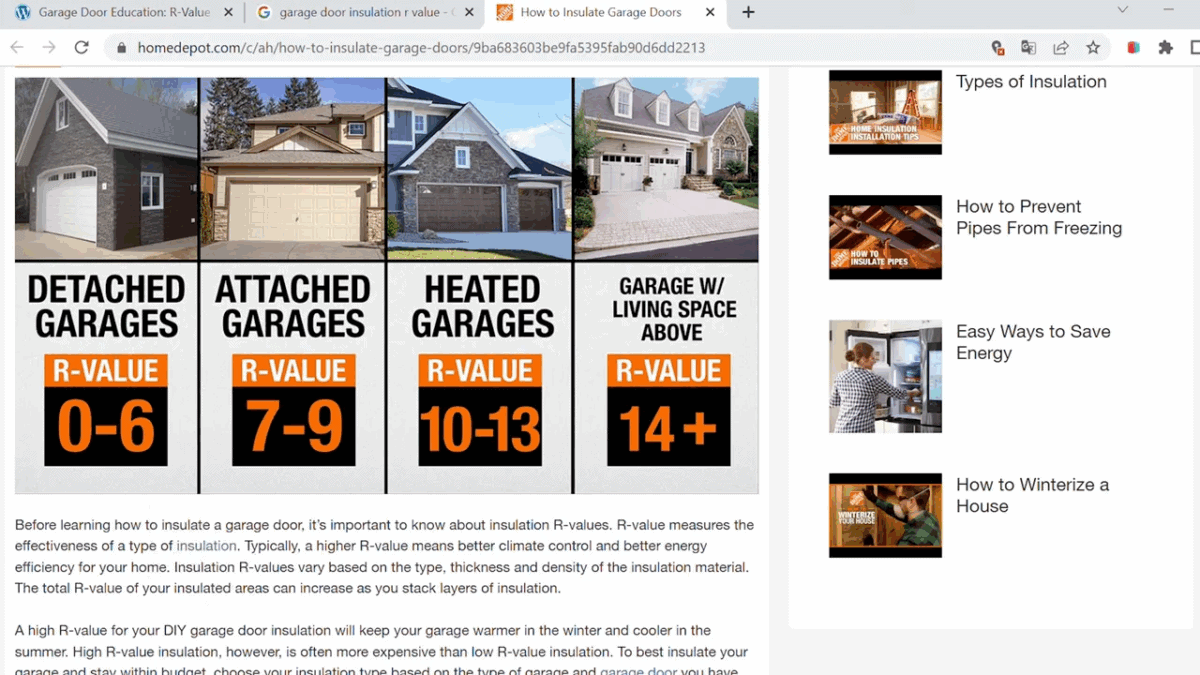
Retailers and manufacturers often publish recommended R-values tied to how the garage is used. One common recommendation framework is:
- Detached garage: R-value from 0 to 6
- Attached garage: R-value from 7 to 9
- Heated garage: R-value from 10 to 13
- Garage with conditioned living space above or fully climate controlled garage: R-value 14 and up
These ranges are a good place to start. But they are recommendations, not absolute rules. Apple Valley Garage Door Repair emphasizes that location, climate, and how the garage is used will change what is appropriate. For instance, a home in a mild climate near Medicine Lake may not need the highest R-values to achieve the same comfort goals a homeowner in Minnesota or Montana might need.
The Law of Diminishing Returns and Garage Door R-values
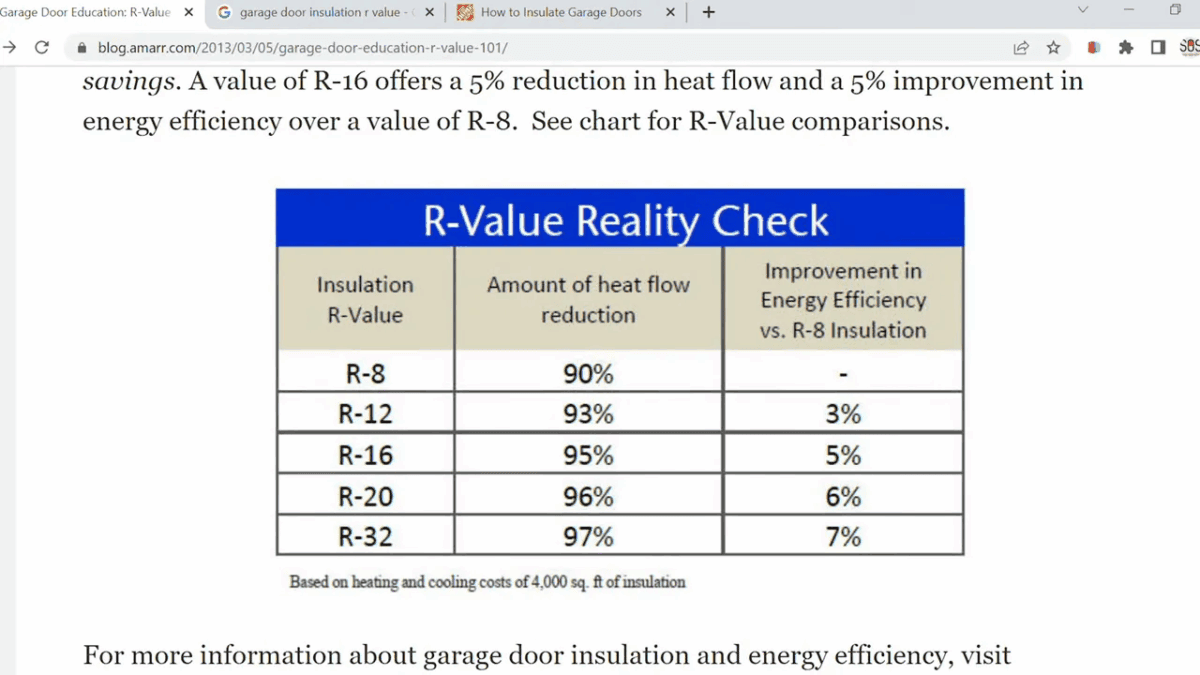
Higher R-values do provide better insulation, but the energy savings do not grow linearly. This is where the law of diminishing returns comes in. Doubling the R-value does not double the energy savings. The incremental benefit of moving from an R-value of 9 to 18 will be measurable, but could be only a few percentage points in annual heating or cooling savings.
In practical terms, an R-value of 18 is not twice as efficient as an R-value of 9. The actual performance difference depends on many factors, including climate, insulation in adjacent walls and ceilings, air sealing, and garage usage patterns. Manufacturers and industry resources sometimes publish charts showing estimated percentage savings between different R-values—those can be useful for comparing options—but homeowners should interpret them as estimates, not guarantees.
Why Garage Door Insulation in Apple Valley Might Not Deliver Expected Savings
There are several reasons insulation might not deliver the energy efficiency homeowners expect:
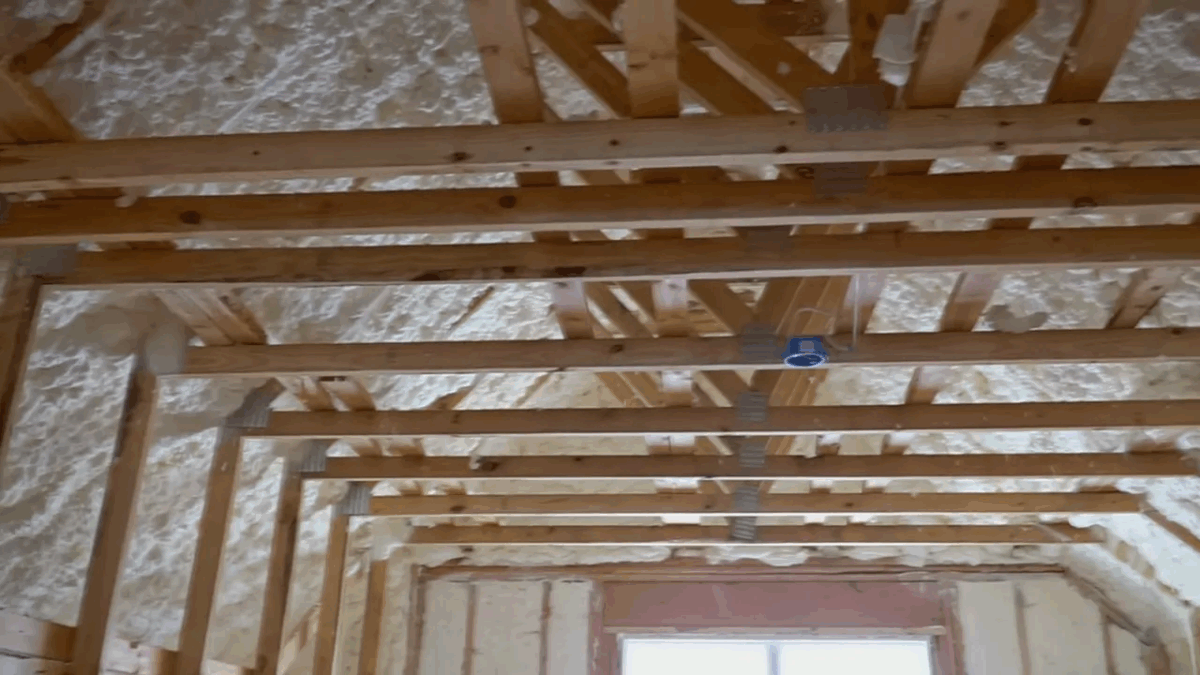
- Incomplete garage insulation: If the garage walls, ceiling, and roof are not insulated, the door insulation will be fighting an uphill battle. Heat rises and finds paths out; if the attic space above the garage or the garage roof is uninsulated, much of the thermal benefit is lost.
- Air leakage: Gaps around the perimeter, worn bottom seals, and poorly fitting weatherstripping allow air to bypass insulation entirely. For example, a garage door seal replacement can dramatically reduce air leakage and should be considered alongside panel insulation.
- Frequent door operation: The more often you open the garage door, the more conditioned air escapes. If the garage door is your main entry and it opens many times per day, insulation in the door will have lower impact on overall comfort and heating or cooling costs.
- Thermal bridging: Metal plates, rails, and stiles conduct heat through the door assembly. Even with high R-value cores, metal components can create heat paths.
- Age and wear: An older door with bent panels, worn rollers, and a failing track will not seal properly even with added insulation. Wear and tear reduces the door’s effective performance.
Should You Insulate an Existing Garage Door in Apple Valley, MN or Replace It?
Applying insulation to an existing door can make sense in some cases, but it is not always the best investment. Here are the pros and cons for retrofitting versus replacement:
Retrofitting an Existing Door
- Pros: Lower upfront cost, DIY-friendly options exist, quick improvement in thermal performance, works for homeowners on a budget.
- Cons: Installation can be fiddly, insulation kits may not fit all door contours, adhesives and tapes can fail with door movement, panel durability may be affected, and gains can be limited if the rest of the garage is uninsulated.
Retrofitting is reasonable if the door structure is in good condition, you only need modest improvement, and you plan to complement the effort with sealing and attic insulation. However, if the door is old, dented, or the hardware is near end of life, saving for a proper insulated replacement may give better long-term value.
Replacing the Door
- Pros: New doors with factory-applied insulation (polystyrene or polyurethane cores) are engineered for durability, include effective seals, and often deliver better long-term energy performance. Replacement is the right choice when existing doors are worn or the homeowner wants a guaranteed R-value and warranty.
- Cons: Higher initial cost and require coordination with a contractor for measurements and installation.
Types of Garage Door Insulation: Polystyrene vs Polyurethane
Two common core materials are used in modern insulated doors: polystyrene and polyurethane. Each has strengths and trade-offs.
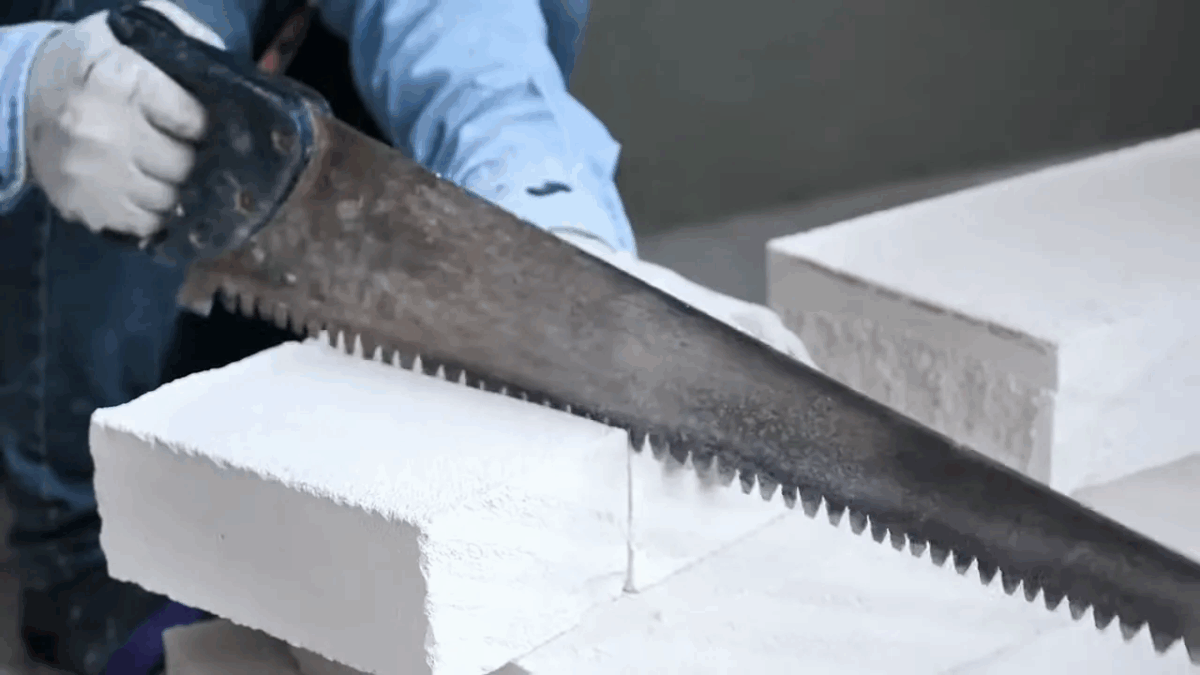
- Polystyrene: Often available in foam board panels that fit into door sections. They are generally less expensive, easier to install for retrofit kits, and provide moderate R-values. However, polystyrene boards can be more prone to moisture absorption if not properly sealed and often provide lower R-value per inch than polyurethane.
- Polyurethane: Typically injected as polyurethane foam into a sealed steel door cavity during manufacture. Polyurethane offers higher R-value per inch, better sealing, and greater structural rigidity. It tends to perform better in long-term energy efficiency comparisons but raises the door cost.
Choosing between polystyrene and polyurethane often comes down to budget versus performance. If a homeowner wants the best possible factory R-value and durability, polyurethane is usually the better option. For a DIY retrofit or budget-conscious upgrade, polystyrene panels can still deliver meaningful improvements.
Evaluating the Full Garage Envelope
Buying a better insulated door alone is rarely the only action required to achieve significant energy savings. Apple Valley Garage Door Repair recommends evaluating the whole garage envelope as part of the decision process. The following checklist helps homeowners judge whether door insulation will deliver value or if additional work is needed:
- Are the garage walls insulated or sheetrocked? If not, add wall insulation or finish the interior walls to stop conductive heat loss.
- Is there insulation in the garage ceiling and attic above? Heat rises, so attic insulation is crucial for keeping heat where you want it.
- Are windows in the garage single pane and unsealed? Replace or weatherstrip windows to stop air leakage.
- Is the garage door bottom seal intact? Consider a garage door seal replacement if the existing seal is cracked or compressed.
- How often do you open the door? If it is used dozens of times daily as a primary entry, insulation benefits are reduced compared to a garage that is mostly closed.
- Are there any gaps around door hardware or between sections? Address these as part of sealing strategy.
After this evaluation, homeowners will be in a better position to judge whether a door retrofit, a full door replacement, or investment in complementary insulation measures will provide the best return.
Cost Considerations and Return on Investment
Garage door replacement is a significant purchase. Cost can vary widely depending on material, insulation type, finish, windows, and hardware. When calculating return on investment, remember:
- Energy savings from better insulation are only one part of the value. Improved comfort, reduced noise, and increased durability also matter.
- Retrofitting will usually have a faster payback because the upfront cost is lower, but its long-term performance may be limited.
- A new factory-insulated door typically includes warranties and will likely provide better long-term performance and fewer maintenance headaches.
- Rebates or incentives may exist in some regions for energy-efficient home upgrades. Check local programs before purchasing.
Budget accordingly and weigh short-term affordability against long-term benefits. Sometimes saving up for a higher-quality, factory-insulated door makes more sense than multiple temporary fixes.
Maintenance Matters: Keep the Door Working as Designed
Even the best-insulated door will underperform if it is not maintained. Annual or semi-annual checks should include:
- Inspecting and replacing worn weatherstripping and bottom seals
- Lubricating rollers, hinges, and springs with the correct lubricants
- Confirming the door balance and spring tension to avoid overworking the opener
- Checking for gaps and resealing as necessary
- Ensuring the opener is sized correctly for the added weight of insulation
These routine tasks protect the initial investment and extend the life of the door. When homeowners are unsure, it is reasonable to ask a professional for an annual tune-up.
Decision Flow: How to Choose an Insulated Garage Door
Apple Valley Garage Door Repair suggests a straightforward decision flow to make the choice easier:
- Define the function of the garage: storage only, attached unconditioned space, heated workspace, or living space above.
- Evaluate the current garage envelope: walls, ceiling, attic, windows, and seals.
- Decide whether a retrofit addresses your needs or whether a replacement is necessary for long-term performance.
- Choose an insulation type based on budget and desired R-value: polystyrene for budget retrofits, polyurethane for factory-installed high performance.
- Factor in maintenance and operation patterns like door openings per day and opener compatibility.
- If unsure, call a local contractor for a site visit and a tailored estimate. Contractors are there to help you balance cost, performance, and longevity.
Common Myths and Misconceptions
Several myths are common among homeowners shopping for insulated garage doors. Clearing these up helps make a sensible purchase:
- Myth: Higher R-value always equals proportionally higher savings. Reality: Gains taper off and depend on the whole garage envelope.
- Myth: Any insulation will stop drafts. Reality: Sealing and weatherstripping are just as important as insulation.
- Myth: A heavy insulated door needs no maintenance. Reality: Weight and use still produce wear and tear—springs and openers must match the load and be serviced.
- Myth: Retrofit kits are always the cheapest overall solution. Reality: Multiple retrofits over time may exceed the cost of a proper replacement; consider long-term costs.
Where to Get Help and What to Ask
When seeking professional guidance, homeowners should ask about the installer’s experience with insulated doors, whether they handle garage door replacement end-to-end, and whether they can show examples of previous work. Ask prospective installers to:
- Inspect the garage envelope and list recommended complementary work
- Explain the difference between polystyrene and polyurethane options
- Provide a clear estimate that includes the door, hardware, seals, and removal of the old door
- Confirm that the opener will handle the new door weight or recommend an appropriate opener upgrade
Local shops often know the specific concerns for an area, from cold winters near Medicine Lake to humid summers in other regions. Use that local knowledge to get the right solution for climate and use.
FAQs
Will adding insulation to my current garage door be worth it?
Adding insulation can provide improved comfort and some energy savings, but results vary. The benefits are limited if the garage walls, ceiling, or attic are uninsulated, or if there is significant air leakage. If the door is old or in poor condition, investing in a new insulated door may be more cost-effective long term.
Which is better: polystyrene or polyurethane?
Polystyrene is usually less expensive and suitable for retrofits; polyurethane provides higher R-value per inch and better long-term performance but costs more. Polyurethane is typically injected into factory doors and creates a more durable, integrated assembly.
How much does a garage door replacement cost and how long until I recoup the cost?
Costs vary widely based on material, insulation type, windows, and local labor rates. Energy savings alone may not pay back the cost quickly; however, comfort, durability, and reduced maintenance can make replacement a worthwhile long-term investment. Evaluate total lifecycle costs rather than just initial price.
Does the garage door opener need to be upgraded when I add insulation?
Possibly. Insulation adds weight. If the current opener is at its limit, upgrading to an opener rated for the higher door weight or a wall-mount motor may be necessary. A professional can assess the opener capacity and recommend the right tools to fix a garage door system safely.
How often should I replace garage door seals?
Check seals annually. If the bottom seal is compressed, cracked, or letting in drafts, consider a garage door seal replacement. Replacing seals is a low-cost, high-impact step that improves performance regardless of the door’s insulation.
Final Advice:
Whether you are purchasing tools to fix a garage door for a weekend project, planning a garage door replacement, or considering a garage door seal replacement to stop drafts, take the time to evaluate the entire system. That approach minimizes surprises and ensures the chosen solution delivers comfort, durability, and the energy savings you can actually achieve.
Apple Valley Garage Door Repair recommends starting with a clear list of needs and a realistic budget. If help is needed, hire a local expert to inspect the garage and provide a tailored plan. That saves money, prevents mistakes, and gets the results homeowners want.
Stay safe and measure twice before you buy. The right insulated garage door will make the garage more comfortable, protect stored items from temperature swings, and reduce the influence of outside temperatures on connected living spaces. With the right planning and a realistic view of R-value, homeowners can make a purchase that fits both their budget and comfort needs.